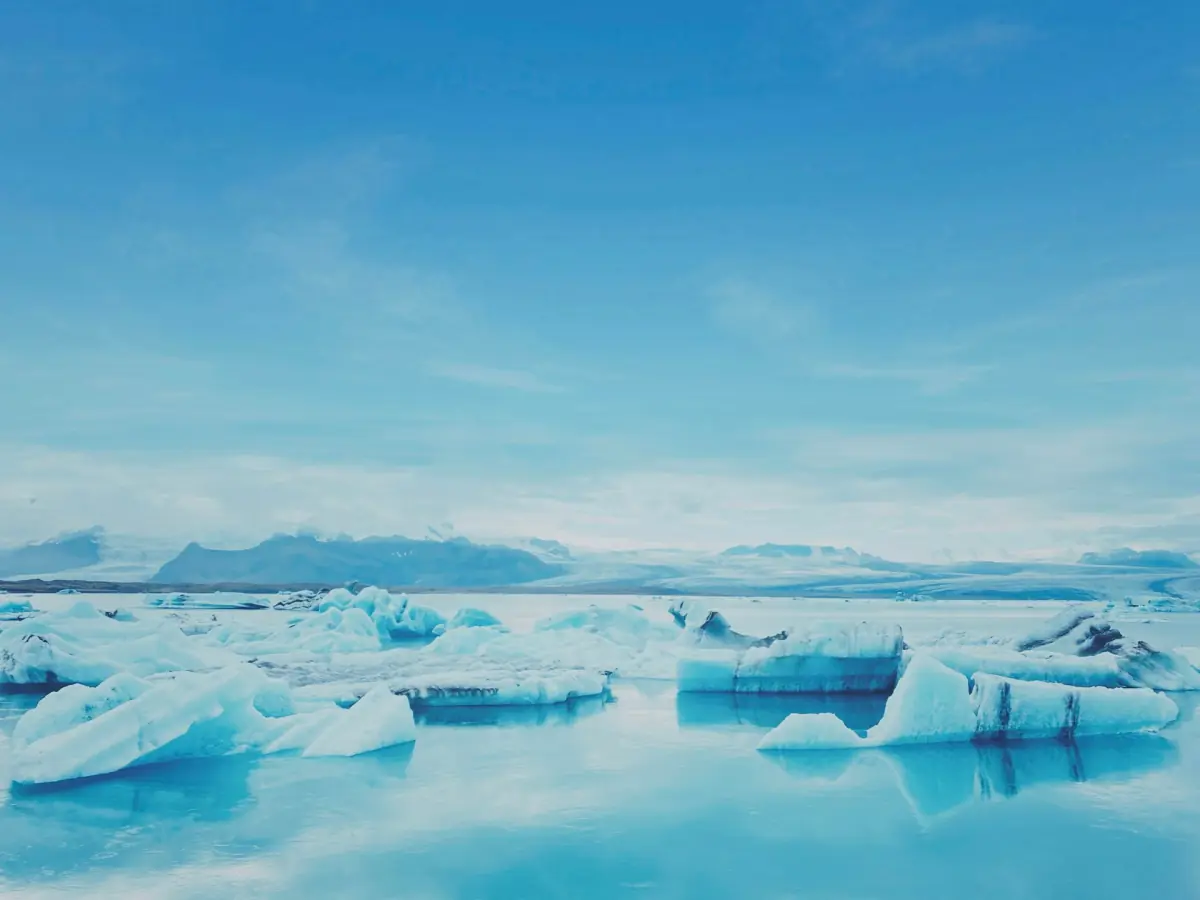
Choosing the best time to visit an Iceland ice cave
Winter is the main planning season for natural Vatnajökull ice caves, while Katla programmes are offered year round. The best time to visit an Iceland ice cave therefore starts with the kind of formation and departure you want. A single national opening calendar would conceal important differences between destinations and individual programmes.
Natural caves develop and change as water, temperature, snow and glacier movement affect the ice and its approaches. A winter booking is a plan to explore suitable formations with qualified guidance, rather than a reservation for an unchanged chamber. Familiar names and photographs should help identify an experience, without becoming promises of a fixed colour or shape.
Put the ice activity into the itinerary before fixing a demanding same-day journey around it. A local departure requires you to reach its meeting point separately. For the Vatnajökull option, the Jökulsárlón starting-point guide explains the location; for Katla, compare the departures from Vík. Choose the season and starting point together, rather than treating every Iceland cave as interchangeable.

Winter at Vatnajökull
Vatnajökull winter programmes follow the colder season, with individual operating dates determining the actual choice. A typical winter pattern runs from October into March, while April depends on suitable conditions. Even within that window the visited formation can change. Select a date for the programme and retain flexibility about the natural cave encountered.
The local Jökulsárlón outing featured here lasts 3 hours and includes a local Icelandic guide, cave entry, photo opportunities and necessary equipment such as helmets and crampons. Travel to the Jökulsárlón meeting point belongs to your separate arrangements. The product is a local ice cave visit; its existence does not establish an opening date for the wider glacier area.
A local Jökulsárlón cave outing
This local guided outing includes cave equipment; check availability for your travel dates.
Hand-picked tours, booked through GetYourGuide. Prices are indicative starting prices in euros (as of November 2026). Tap a tour for live availability and the current price in your currency.

Local Jökulsárlón cave visit for winter planning
A 3-hour cave outing with a local guide, photo opportunities, helmets and crampons. Choose an operating date for your itinerary.
Katla through the year
Katla is offered year round, making it the destination to consider when your travel dates fall outside the main Vatnajökull winter pattern. This broader programme does not remove weather or access decisions. Choose a departure for your actual date and keep the natural formation itself flexible.
Summer planning should also distinguish a natural Katla cave from the artificial tunnel at Langjökull. The latter is a manmade alternative with its own journey and programme. A pure glacier hike is a further option when walking on ice is your priority. The summer ice cave guide explains these choices without treating them as the same experience.
| Travel priority | Planning direction |
|---|---|
| Natural Vatnajökull cave | Winter programme and actual departure date |
| Natural cave outside the main winter pattern | Consider a Katla departure |
| Inside glacier ice by an artificial passage | Consider the manmade Langjökull tunnel separately |
April and September need a specific departure
April at Vatnajökull depends on conditions and should be planned around an operating excursion. The winter season can end earlier than an outline calendar suggests. September likewise needs a specific suitable programme rather than an assumed seasonal opening. Neither month should be chosen on the strength of a general cave photograph or the end date of a commercial contract.
Katla has a different year-round offering, so a seasonal boundary at Vatnajökull is not a rule for all Icelandic caves. Keep the geographical distinction when comparing dates. If a natural cave is the main reason for travelling, choose the destination programme first and leave room for changes rather than fixing an inflexible chain of appointments around one departure.
Weather and time in reserve
Ice cave trips depend on current weather and road conditions as well as the condition of the ice. Consult the Icelandic Meteorological Office’s forecasts and warnings and current road information as the trip approaches. Monthly averages cannot tell you whether a particular guided route or your journey to the meeting point will operate.
Extra time in the itinerary is a planning tool rather than a promise of a replacement departure. Keep a possible change in mind when arranging accommodation near the starting points and the journey along the south coast. A nearby overnight stop can make the schedule less tightly connected, but the booked tour and roads still need their own attention.
Cancellation or a different ice formation
An operator cancellation and a changed formation are different outcomes under a booking. A safety-related adjustment can produce another route or programme that still takes place. Some cave-focused descriptions allow a blue ice formation instead of an accessible chamber. Keep the actual product description central when deciding what experience meets your priorities.
Your own inability to reach a meeting point is another separate situation. Read the selected booking’s customer cancellation deadline, operator cancellation terms and replacement provisions. A season described as open does not settle those questions, and an earlier temporary closure does not describe the status of your future departure.
Questions about ice cave seasons
When should I plan a Vatnajökull ice cave visit?
Winter is the main planning season for natural Vatnajökull ice cave visits. Choose an actual operating departure rather than treating a broad seasonal description as a fixed opening calendar. April depends on conditions, and formations can change within the season. Keep the journey to the local meeting point in your plan.
Can I choose Katla outside winter?
Yes, Katla programmes are offered year round. Select a departure for your actual dates and allow for weather-related changes to access or the programme. A year-round offer concerns the schedule of an activity, while the natural formation remains changeable. Vík departures also need a separately planned journey to town.
Does winter guarantee blue ice and a particular cave?
No, winter does not guarantee a fixed cave, colour or route. Natural formations change with weather, meltwater and moving ice, and guided programmes adapt to conditions. Choose the activity for its described experience rather than one photograph, and distinguish a replacement programme from a cancelled departure when reading booking terms.